Habits and Traits of Jumping Spiders
Lifespan of Jumping Spider Jumping Spider Information
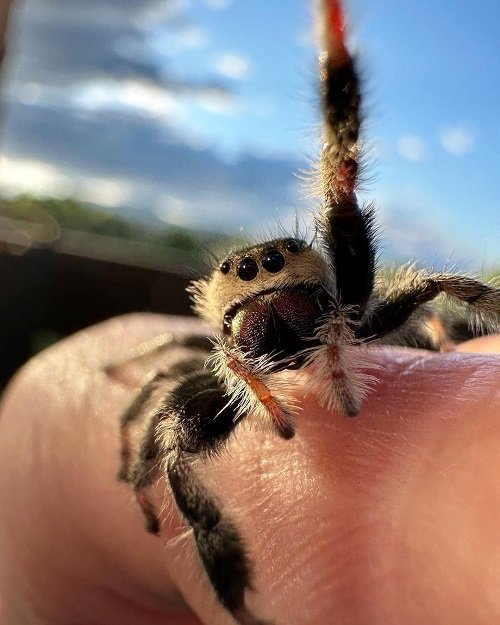
Lifespan in Captivity. When kept as pets, jumping spiders can have a slightly longer lifespan due to controlled conditions that reduce threats and provide steady food sources. On average, they can live for 1 to 2 years in captivity, with some species and individuals reaching up to 3 years.
Habits and Traits of Jumping Spiders
:max_bytes(150000):strip_icc()/GettyImages-120464542-56d4c9003df78cfb37d9371c.jpg)
Bagheera kiplingi, found in Central America, is striped with a brilliant emerald green. In many species, males are colorful, while females are often more drab. Jumping spiders do have a few things.
Stunning Macro Photos Of Jumping Spiders by Thomas Shahan DeMilked

Diet and Hunting Techniques of Jumping Spiders. Jumping spiders primarily feed on insects and other arthropods. Their diet typically includes flies, mosquitoes, moths, and occasionally other spiders. They are known for their tactical hunting strategies, which involve a combination of stalking and precision jumping.
Regal Jumping Spider Care Sheet and photos The Spider Blog
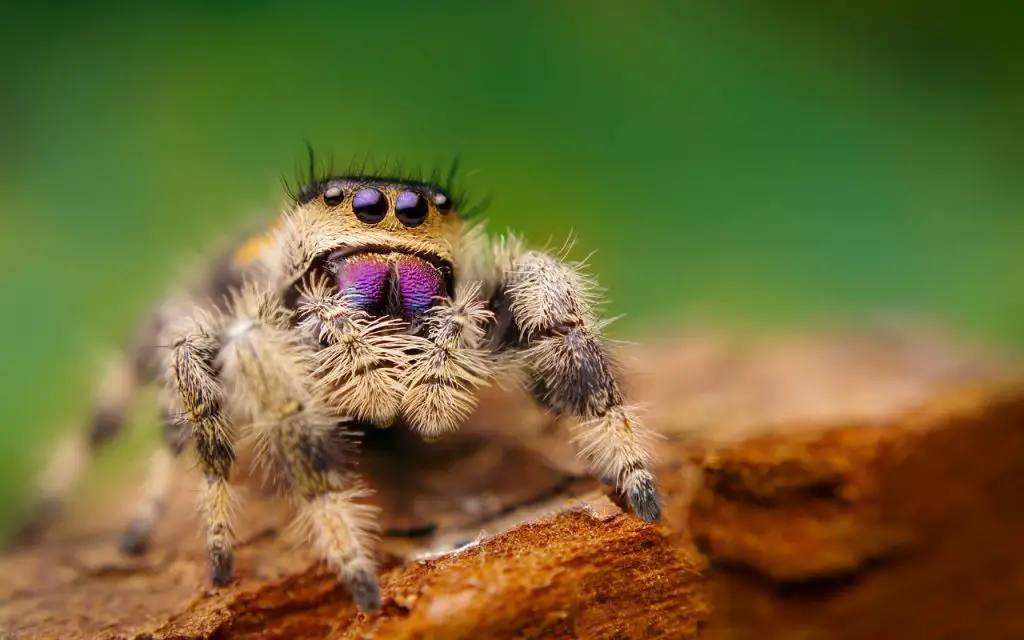
The average lifespan of a jumping spider is around 6 to 12 months in the wild, though they can live up to 18 months in captivity. For example, most bold jumping spiders can live between one to two years.Some lucky keepers have found their pet jumping spiders have even managed to live up to 3 years!
30 Jumping Spider Facts That Are Too Cute To Miss
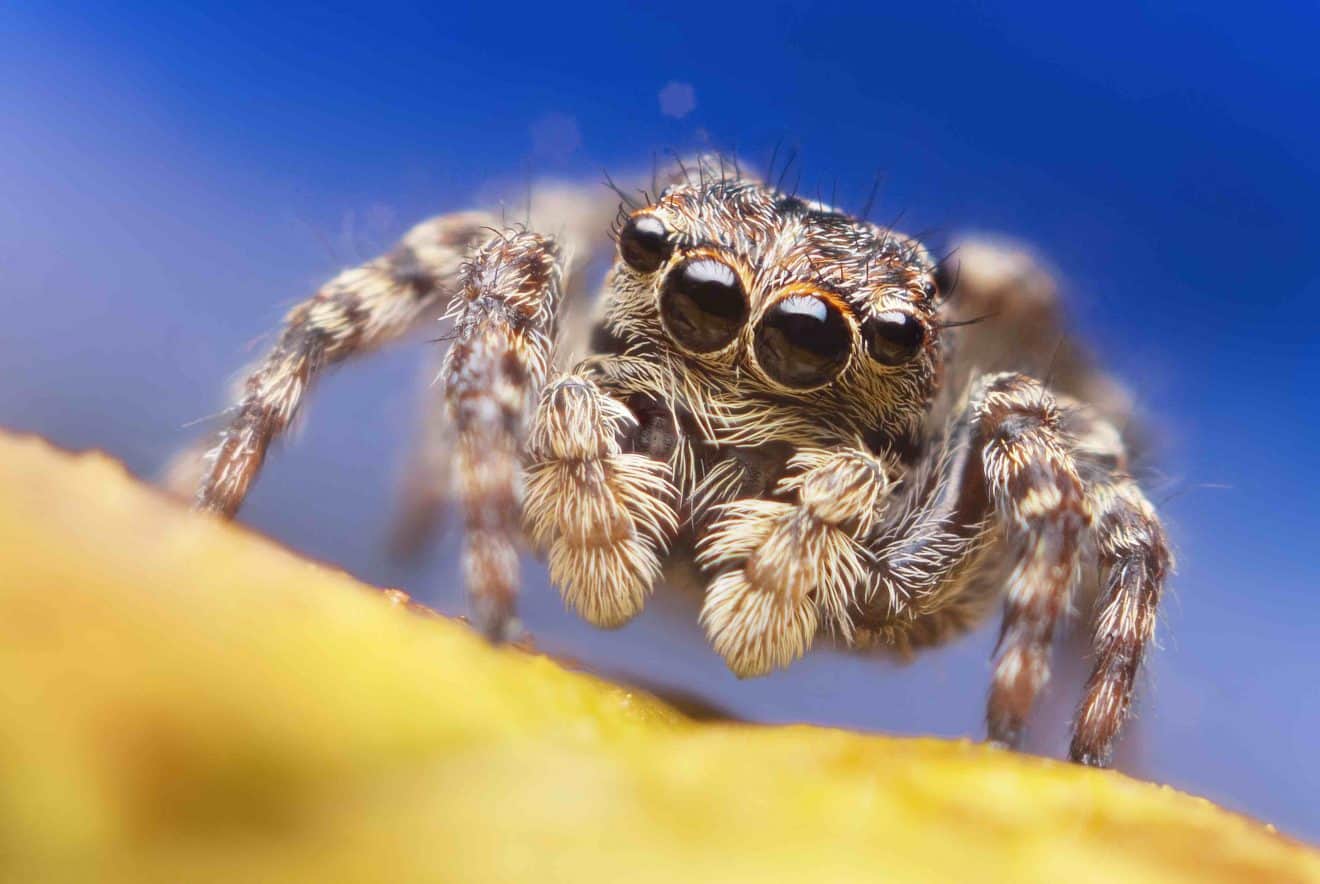
Jumping spiders can live anywhere from 3 months to 3 years. Male jumping spiders tend to live under a year, while females can live slightly longer. Along with this, the lifespan of jumping spiders can also depend on where in the country they live, whether they're in captivity vs in the wild, and many other factors.
Jumping Spider Care and Housing Guide (Jumping Spider as Pets) Pets For Children
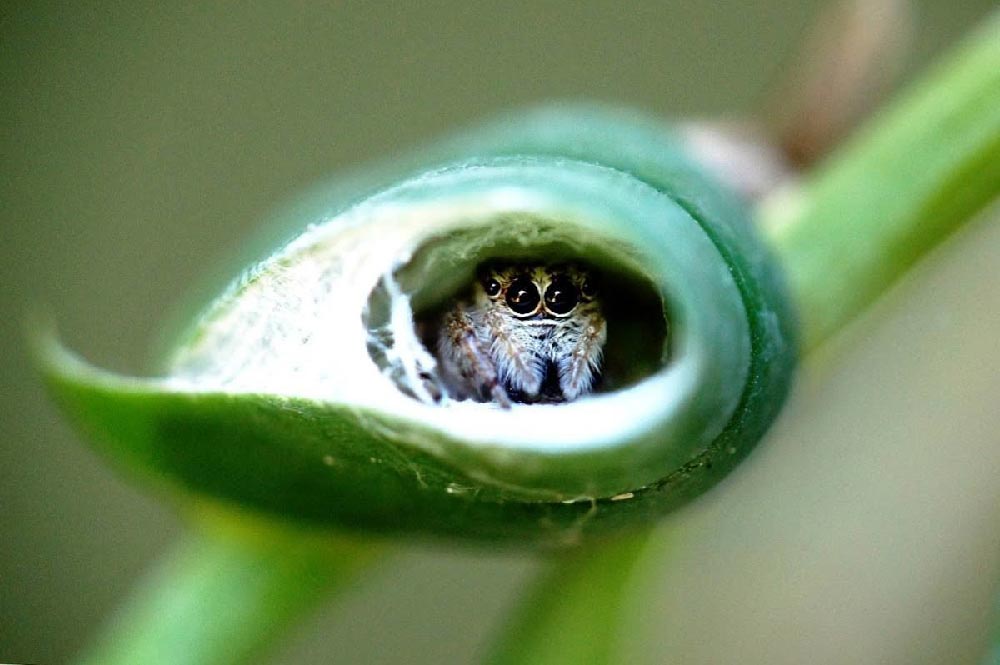
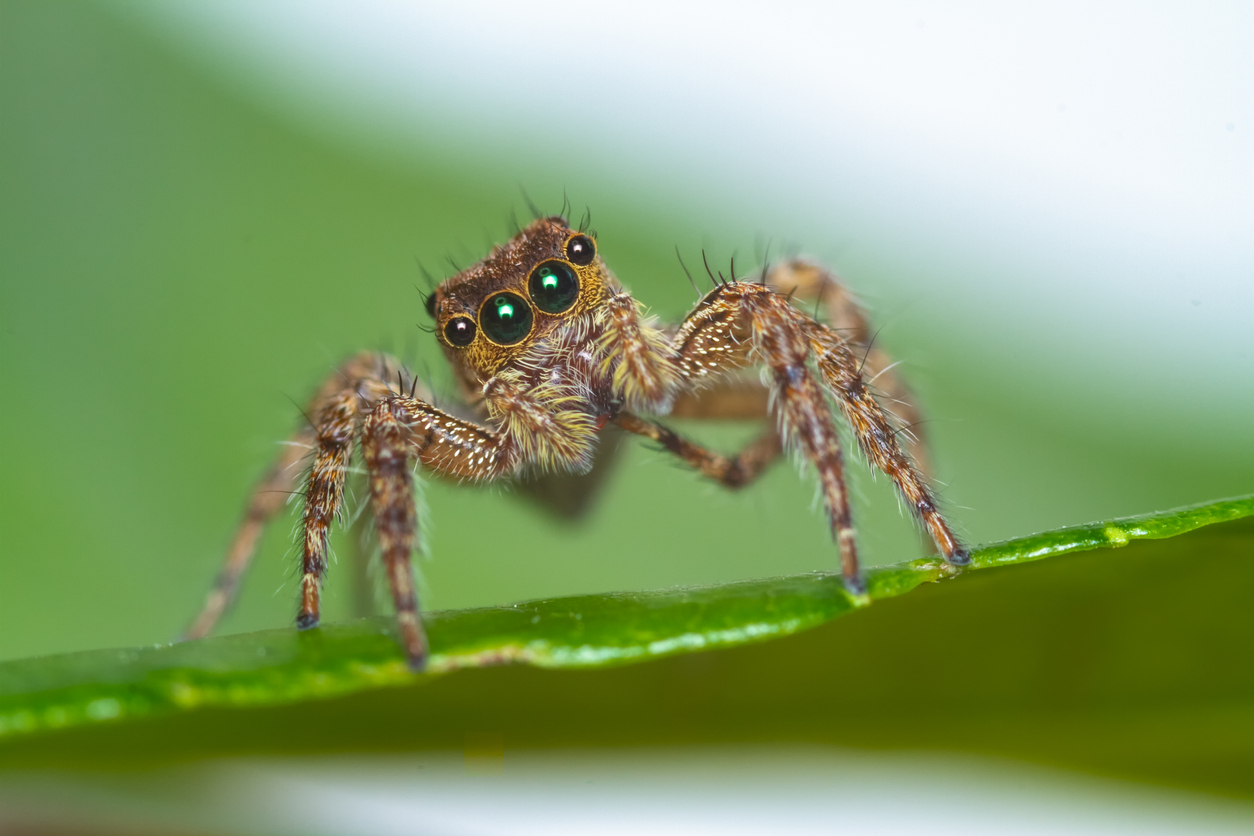
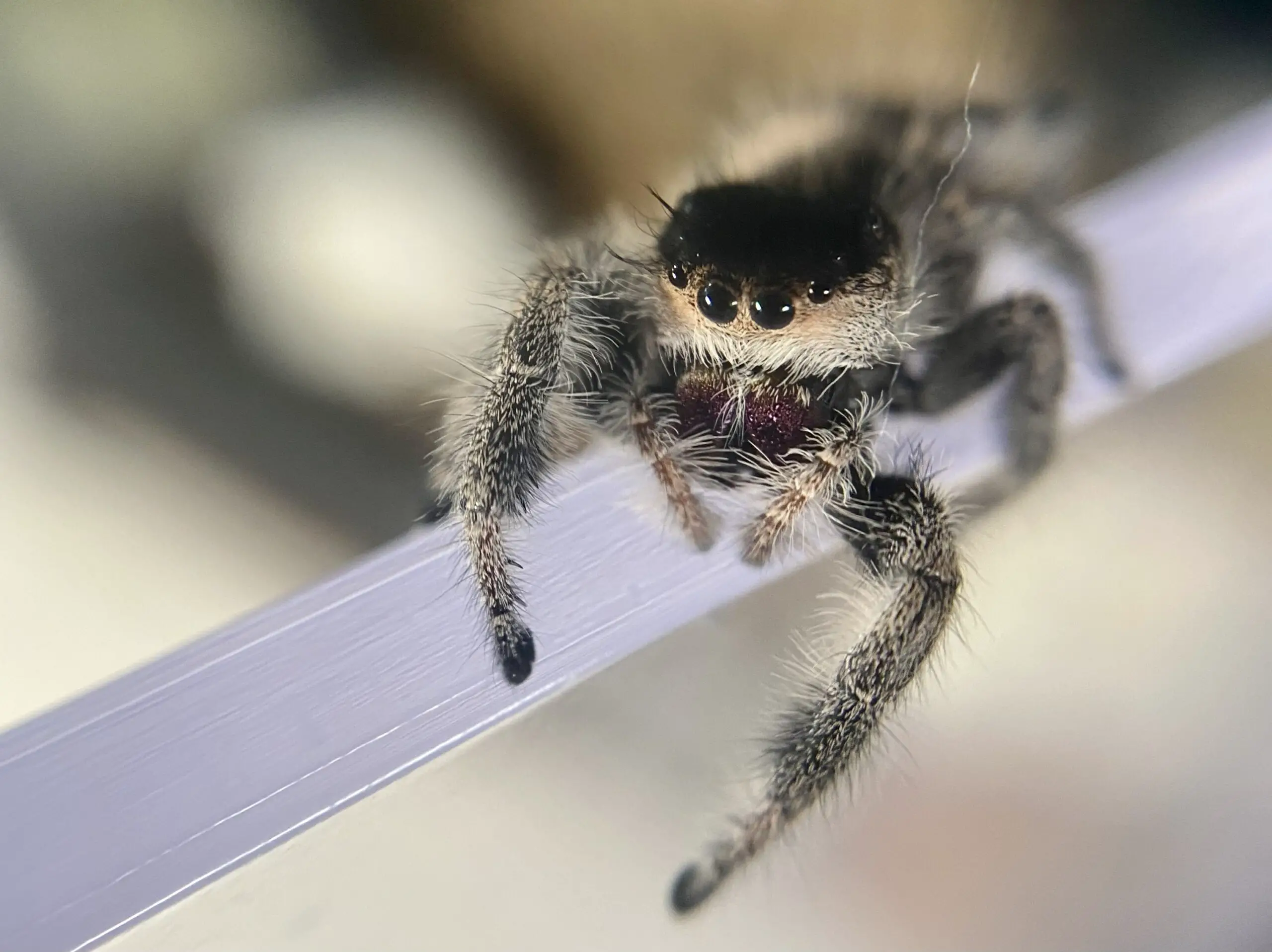
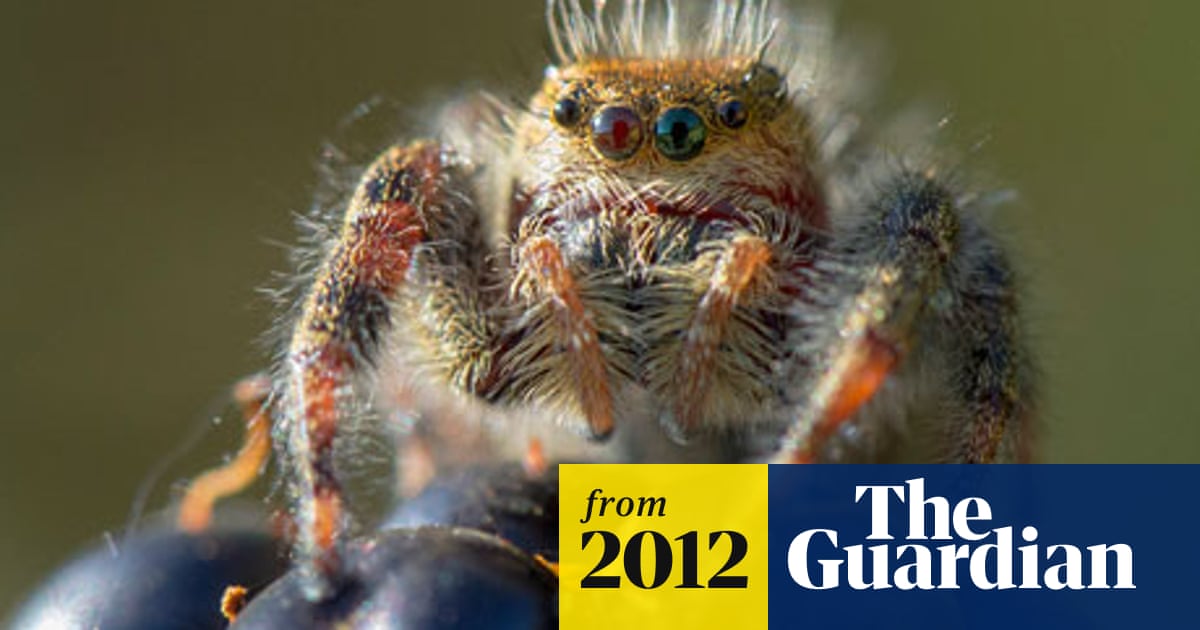
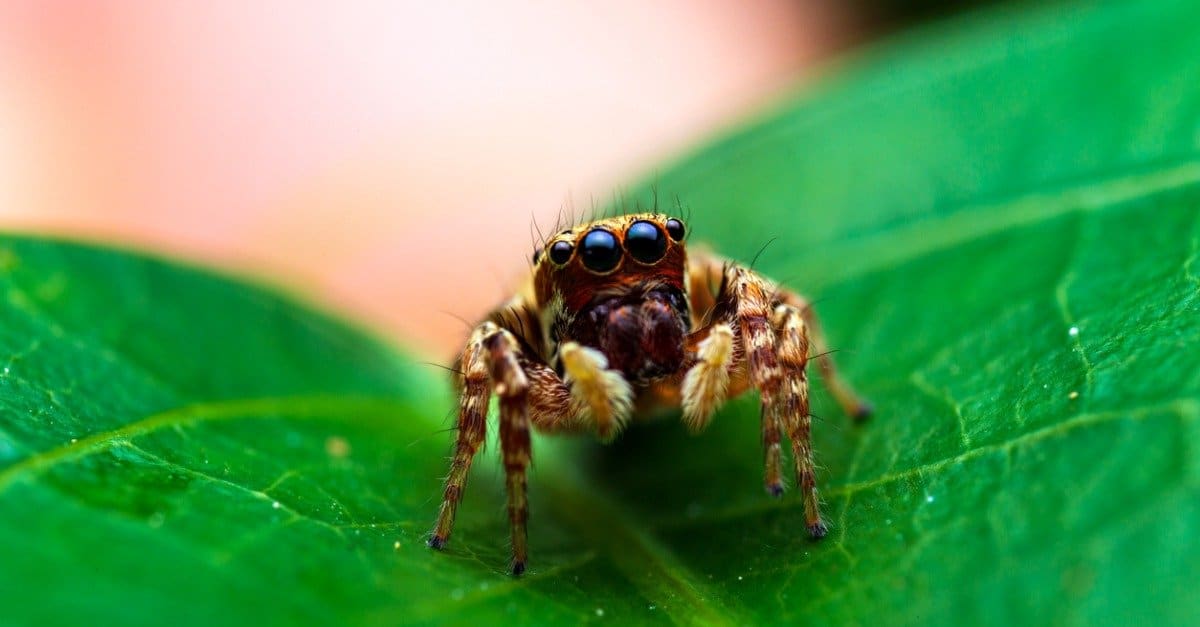
Jumping spiders looks has an almost alien-like appearance that would be intrigued many if they were to stare at it face to face. A jumping spider has a distinctive set of eye arrangement that is unique to them. They have this primary pair of large forward-facing eyes, two big ones in the middle, accompanied by a pair of smaller eyes each at.
Jumping Spiders What They Eat, How Far They Jump & More
The environment also plays a crucial role in the lifespan of jumping spiders. Factors such as temperature, humidity, and food availability can have a significant influence on how long these spiders live. In captivity, certain species of jumping spiders have been observed to live for as long as 4 years, highlighting the impact of environmental.
Nine Interesting Facts About Jumping Spiders Spiders Web HQ
kikek1k3. Like many other spiders, the jumping spider has three main life stages. Let's examine each stage below: 1. Egg. The first stage in the life of a jumping spider is the embryotic (egg stage).
Average Spider Lifespan Wolf Spider
The life and lifespan of jumping spiders. Jumping spiders follow the same general blueprint for the life cycle that all spiders do (Guseinov et al., 2004). Spiders never give birth to live young. Instead, spiders hatch from eggs. As soon as they hatch, the hatchlings resemble the adults… well, miniature adults.
Jumping Spider Lifespan How Long Do Jumping Spiders Live? AZ Animals
FUN FACT: Jumping spiders are able to store fertilization for up to a year! We have further information on Spider Advisor about jumping spiders here. The average life span of a jumping spider is roughly between six months and two years although it is possible for them to reach three years if they're kept in captivity.
Lifespan of Jumping Spider Jumping Spider Information
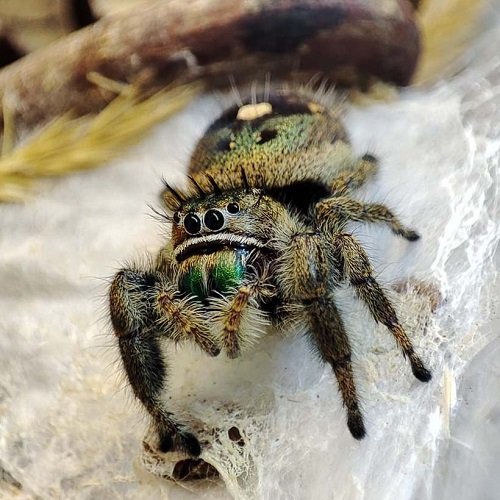
The average jumping spider's lifespan is between six months to two years. In captivity, jumping spiders may live up to three years. However, species and sex also play an important role in the lifespan of jumping spiders. Female jumping spiders tend to live longer than males. A female bold jumping spider ( Phidippus audax) lived for three.
Discover the Wild Life of Jumping Spiders Page 2 Animal Encyclopedia
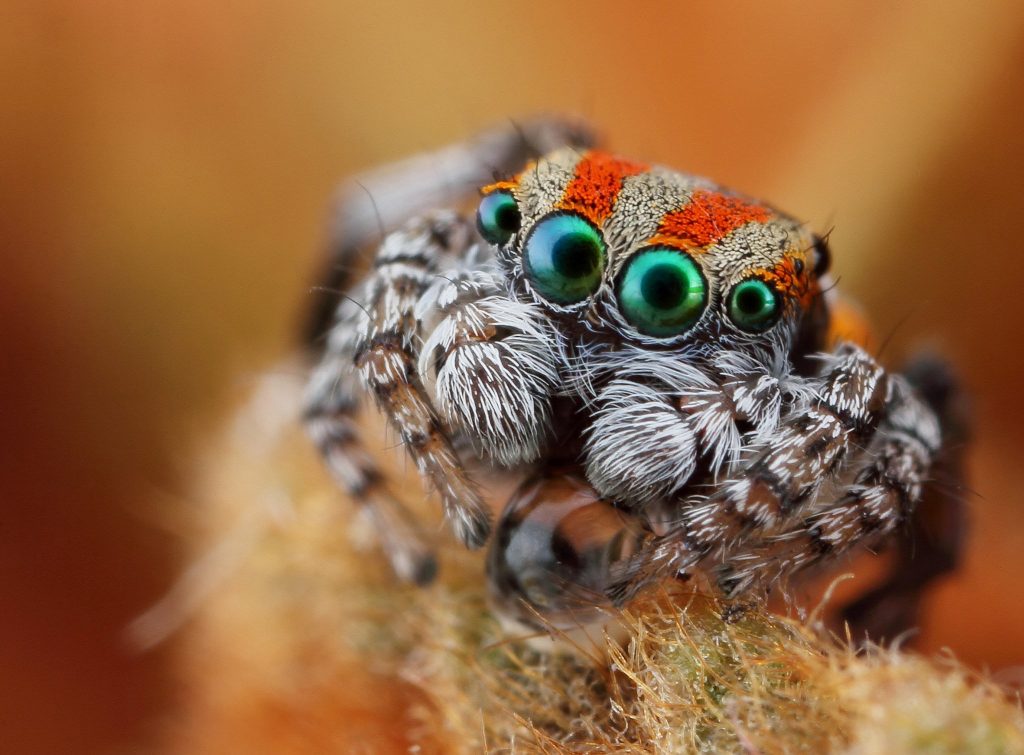
Unraveling the Mystery of Spider Lifespans. Spider lifespan depends on species and gender, with life spans ranging from under a year to nearly twenty years. Males typically live shorter lives than females due to mating-related deaths. Spiders go through three life stages: eggs, spiderlings, and adults.
Lifespan of Jumping Spider Jumping Spider Information
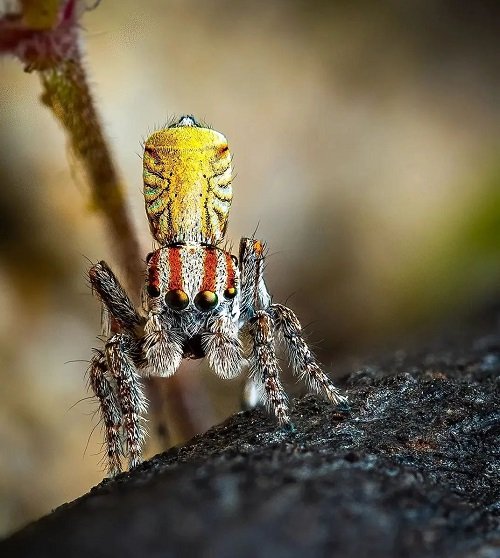
The lifespan of jumping spiders varies depending on the species. There are species that can live up to 3 years. But generally, their lifespan is about a year. Getting Jumping Spiders. Jumping spiders are rather common and you might be able to find them in your house. You can easily catch them using a small deli cup.
Jumping Spider Lifespan How Long Do Jumping Spiders Live? AZ Animals
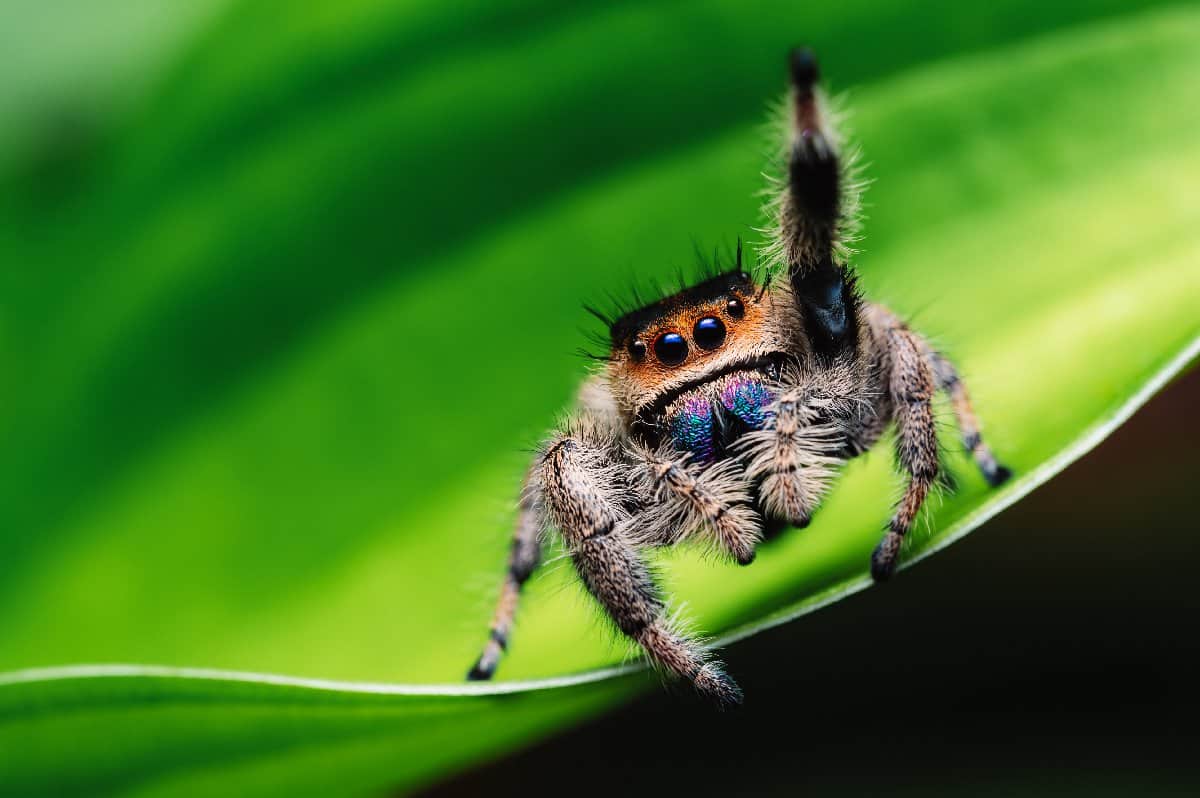
Diet and Life Cycle. Jumping spiders hunt and feed on small insects. All are carnivorous, but a few species also eat pollen and nectar. Female jumping spiders build a silk case around their eggs and often stand guard over them until they hatch. (You've probably seen these spiders with their eggs in corners of exterior windows or door frames.)
Spiders Eat Up to 880 Million Tons of Insects Each Year Live Science
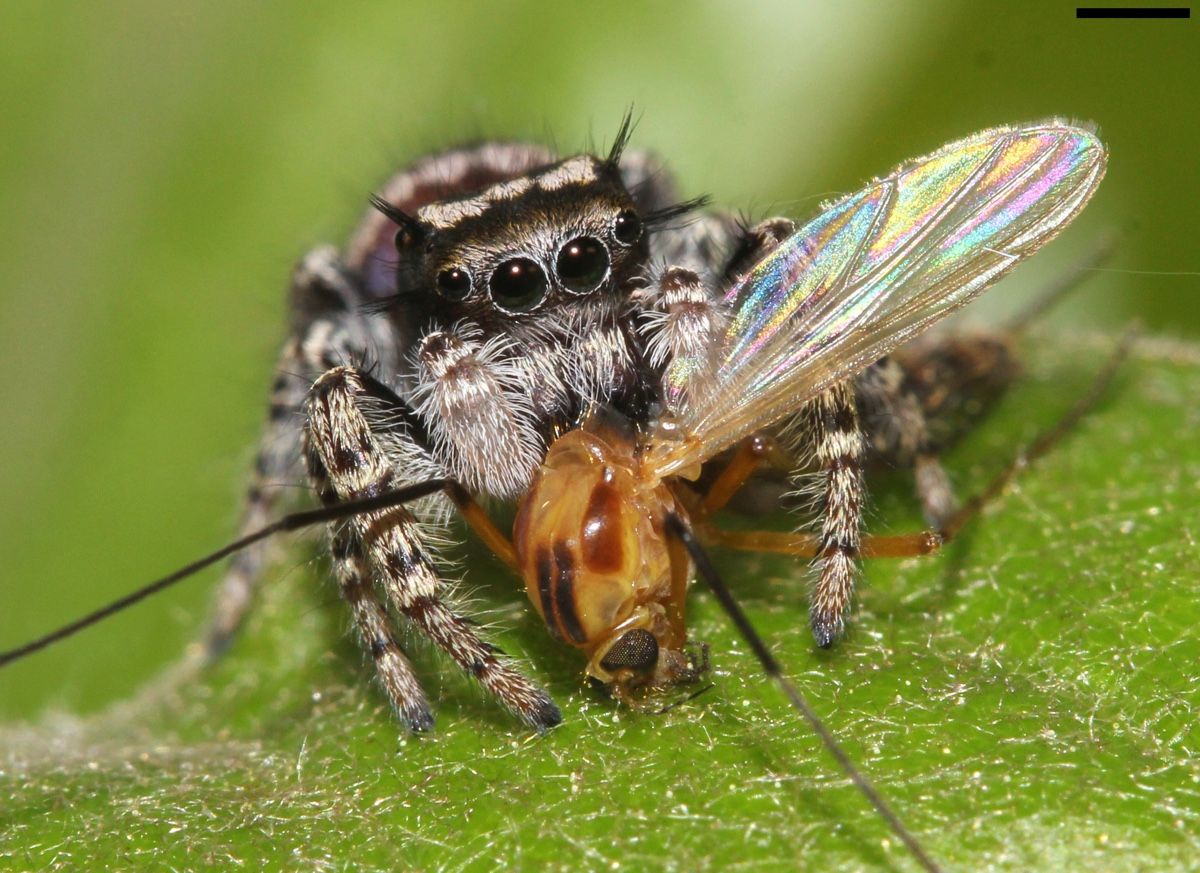
Fact #2: They Belong To A Big Family. Jumping spiders are part of a vast family known as Salticidae, which is recognized as the largest family of spiders. This family is incredibly diverse, with over six thousand species documented worldwide, accounting for approximately thirteen percent of all spider species.
Pet Jumping Spiders A Complete Guide for Beginners Cool Pets Advice
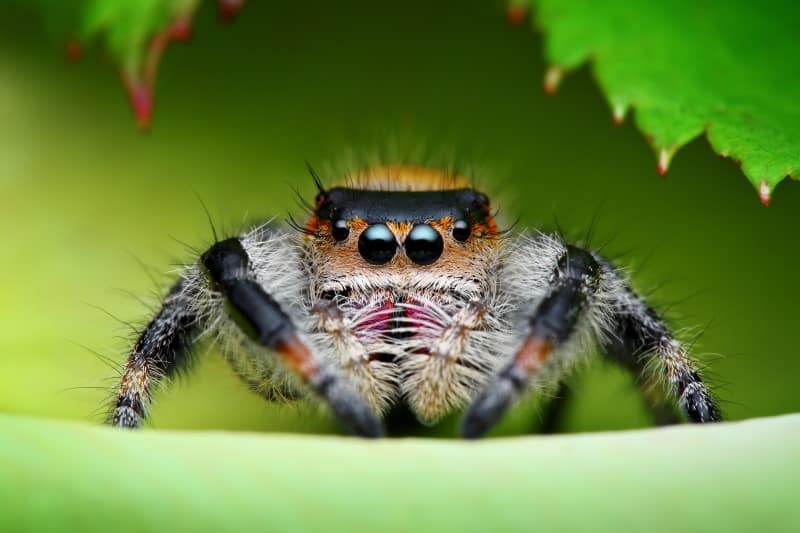
The lifespan of jumping spiders can be influenced by various factors, both internal and external. There are several key factors that impact the lifespan of jumping spiders: Species - Larger species of jumping spiders, like the Bold Jumping Spider and Regal Jumping Spider, tend to live longer than tinier species. Larger species can survive up.